
For North Carolina families earning $80,000 or less. Eligible students can receive up to $3,000 per year to cover tuition, fees, books, and more — money you never have to pay back!
Whether you’re beginning your career, growing in your field, or switching professions, NC HE2ALS partners are here to help you quickly gain the skills you need for the job you want.
Here you’ll find helpful answers about our laboratory, pharmacy, and research solutions for healthcare and science partners.
Which fields does Pharma operate in?
Pharma is active in pharmacy, laboratory diagnostics, and scientific research, serving hospitals, clinics, and academic groups worldwide.
What types of services are available?
We offer diagnostic testing, research and development, pharmaceutical supply, and consulting to support both patient care and innovation.
What defines a successful Pharma project?
Pharma values quality, timely results, and improved patient outcomes, using strict controls and feedback to measure project achievements.
How do I request a Pharma estimate?
To get a quote, reach out by email, phone, or our site form. Our team will help you choose the right service and pricing.
NC HE2ALS:Health Education + Employer Aligned Local Strategies
Our regional initiative is here to help you quickly explore healthcare careers and connect to local education and workforce opportunities near you.
Allied Health
$45,000 - 53,000
What You'll Do
Allied health professionals work alongside healthcare teams to help prevent, diagnose, manage, and treat illnesses and injuries.
Work Environment:
Allied Health professionals work in a variety of healthcare settings, including hospitals, clinics, rehabilitation centers, laboratories, and outpatient facilities. Depending on your specialty, you may work directly with patients or support care through technical, laboratory, or administrative roles.
Key Responsibilites:
Assist with diagnosing, treating, and preventing illnesses and injuries.
Perform specialized tests, procedures, or therapies based on your area of expertise.
Collaborate with physicians, nurses, and other healthcare professionals to coordinate patient care.
Educate patients on treatment plans, rehabilitation, nutrition, wellness, or disease prevention.
Operate specialized medical equipment and follow safety and quality standards.
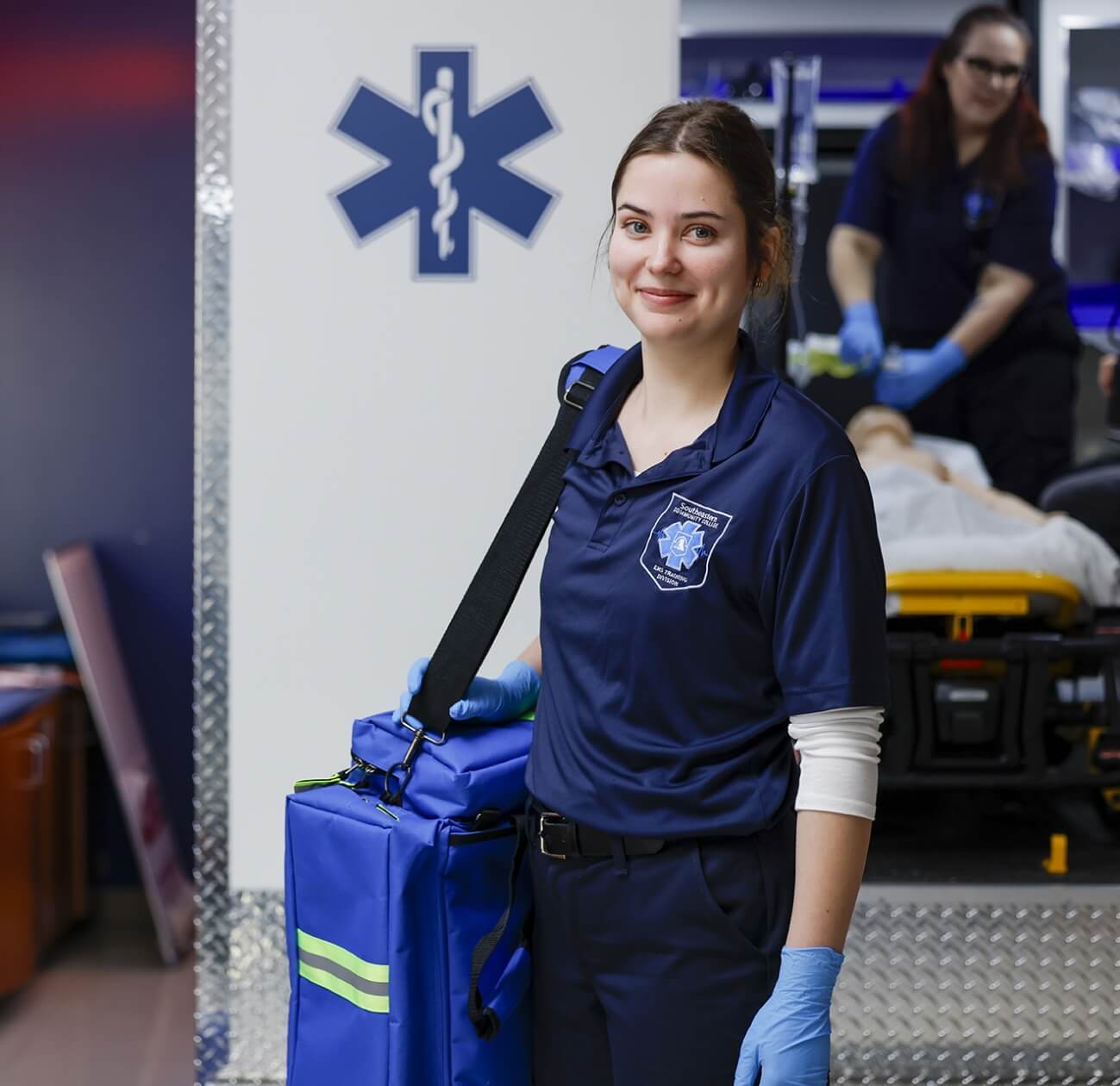
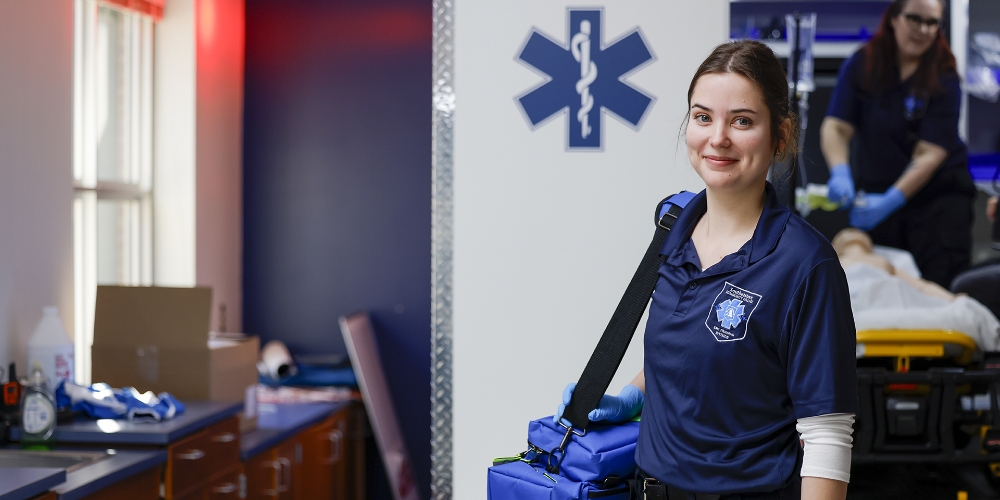
Emergency Medical Services (EMS) professionals provide lifesaving care by responding quickly to medical emergencies and helping patients when they need it most.
Work Environment:
EMS professionals work in fast-paced environments such as ambulances, emergency departments, fire stations, and community settings. Every shift is different, requiring teamwork, quick decision-making, and the ability to remain calm under pressure.
Key Responsibilites:
Respond quickly to emergency calls and assess patients’ conditions.
Provide immediate medical care, including lifesaving interventions and basic or advanced life support.
Stabilize patients and safely transport them to hospitals or other healthcare facilities.
Operate emergency vehicles and medical equipment while following safety protocols.
Provide compassionate support to patients and families during stressful or life-threatening situations.
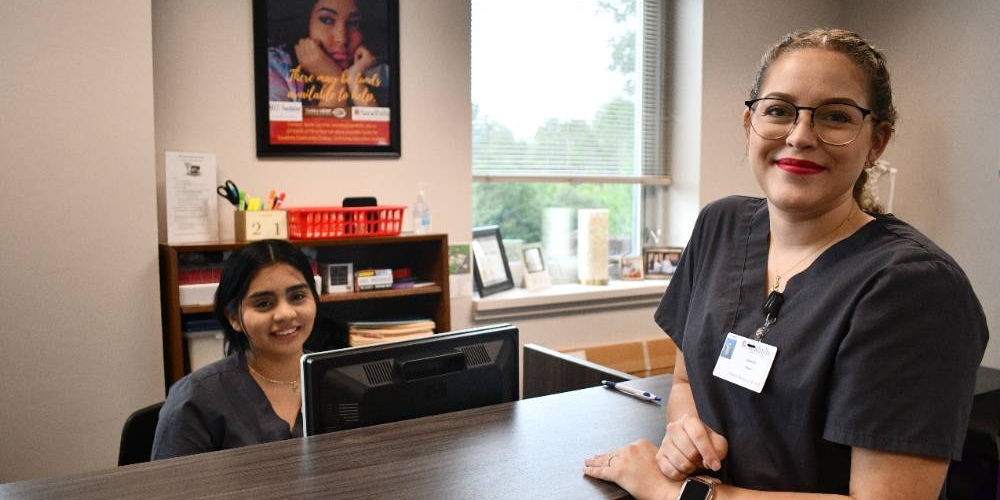
Medical assistants typically work in physician offices, clinics, and outpatient healthcare settings, where they balance patient interaction, administrative tasks, and clinical responsibilities.
Work Environment:
Medical assistants typically work in physician offices, clinics, and outpatient healthcare settings. Their days include a mix of patient interaction, administrative tasks, and clinical responsibilities in a collaborative healthcare environment.
Key Responsibilites:
Welcome patients and help prepare them for appointments and examinations.
Record medical histories, vital signs, and other patient information.
Assist physicians and nurses with examinations and minor medical procedures.
Schedule appointments and coordinate patient follow-up care.
Maintain electronic health records and other medical documentation.
Nurses work in hospitals, clinics, long-term care facilities, schools, and community health organizations, where they collaborate with healthcare teams to care for patients across all stages of life.
Work Environment:
Nurses work in hospitals, clinics, long-term care facilities, schools, and community health organizations. They care for patients of all ages while working closely with physicians and other healthcare professionals.
Key Responsibilites:
Assess patients and monitor changes in their health and condition.
Administer medications, treatments, and other medical care safely and accurately.
Maintain detailed patient records and communicate important updates to the healthcare team.
Develop and support patient care plans alongside physicians and other providers.
Educate patients and their families about illnesses, treatments, medications, and recovery.
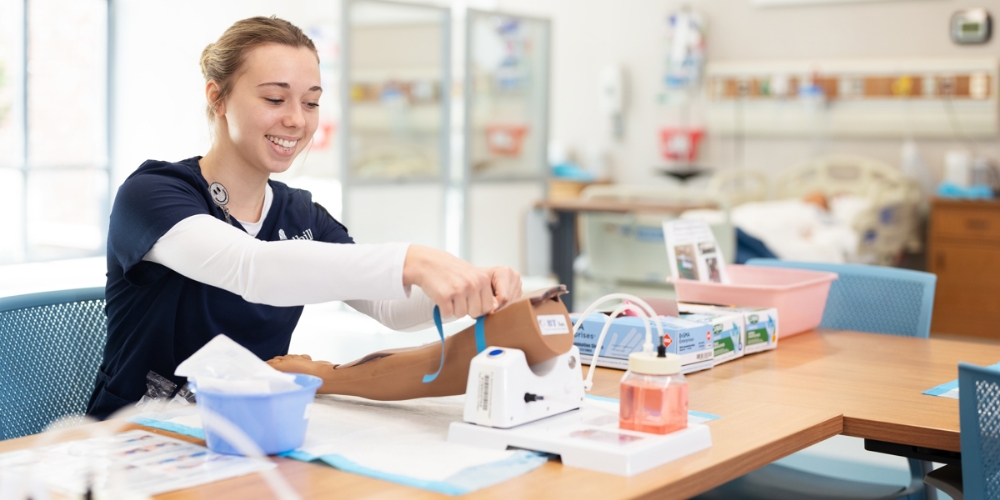
Phlebotomists collect blood samples that help diagnose illnesses, monitor health conditions, and support patient care.
Work Environment:
Phlebotomists work in hospitals, medical offices, diagnostic laboratories, blood donation centers, and other healthcare facilities. They spend much of their day interacting with patients while ensuring blood samples are collected safely and accurately.
Key Responsibilites:
Draw blood safely and accurately for testing, transfusions, research, or blood donations.
Verify patient identity and explain procedures before collecting samples.
Label, organize, and transport blood specimens to ensure accurate testing.
Follow infection control procedures and maintain a clean, safe work environment.
Provide a positive, reassuring experience for patients throughout the blood collection process.
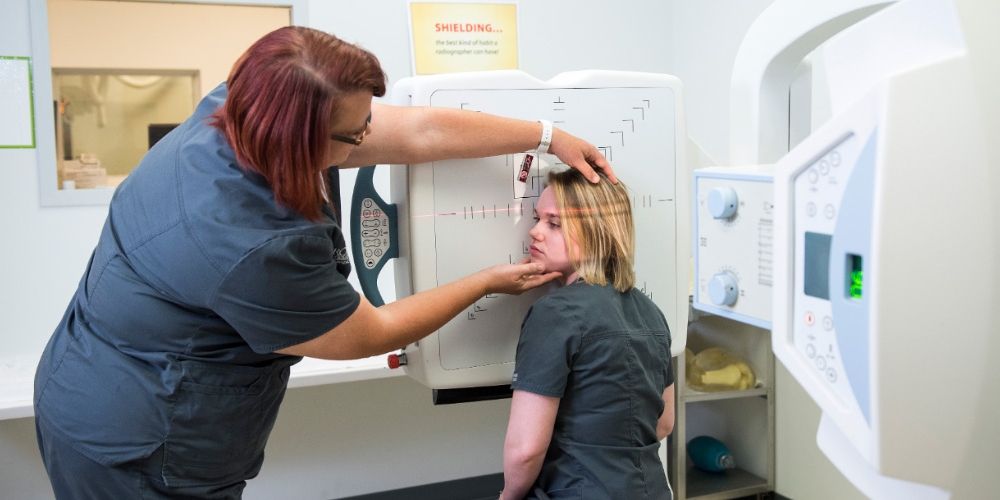
Radiologic technologists work in hospitals, imaging centers, outpatient clinics, and other healthcare facilities, where they combine patient care with advanced imaging technology.
Work Environment:
Radiologic technologists work in hospitals, imaging centers, outpatient clinics, and other healthcare facilities. They combine patient care with advanced imaging technology while working closely with physicians and other healthcare professionals.
Key Responsibilites:
Perform diagnostic imaging procedures, such as X-rays, CT scans, or MRI exams.
Prepare and position patients to ensure accurate, high-quality images.
Operate and maintain imaging equipment while following safety standards.
Protect patients by following radiation safety procedures and imaging protocols.
Help patients feel informed and comfortable throughout the imaging process.
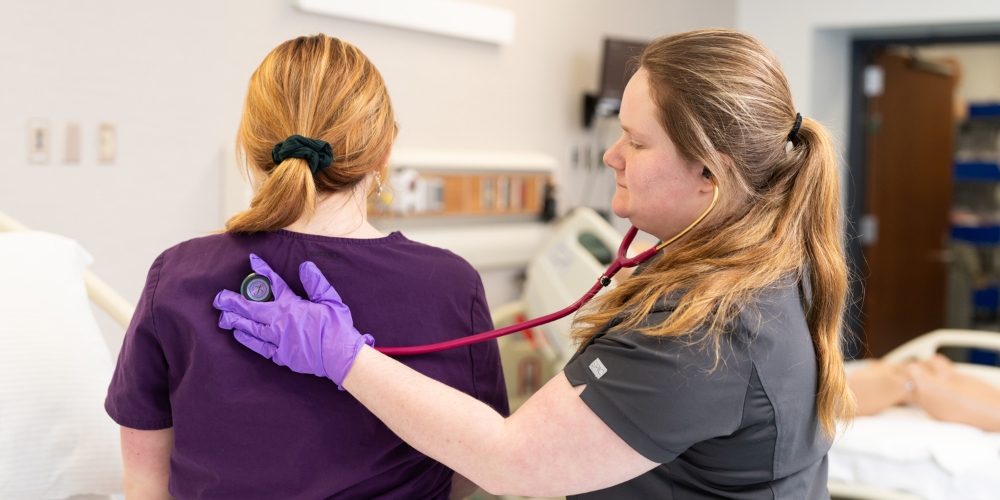
Respiratory therapists work in hospitals, emergency departments, intensive care units, rehabilitation centers, and other healthcare settings, caring for patients with breathing and cardiopulmonary conditions.
Work Environment:
Respiratory therapists work in hospitals, emergency departments, intensive care units, rehabilitation centers, and other healthcare settings. They care for patients with breathing and cardiopulmonary conditions while collaborating with physicians and other healthcare professionals.
Key Responsibilites:
Assess patients with breathing or cardiopulmonary disorders.
Administer oxygen therapy, breathing treatments, and other respiratory care.
Operate and monitor ventilators and specialized respiratory equipment.
Develop and adjust treatment plans in collaboration with physicians and the healthcare team.
Educate patients and families on managing respiratory conditions and using breathing equipment at home.
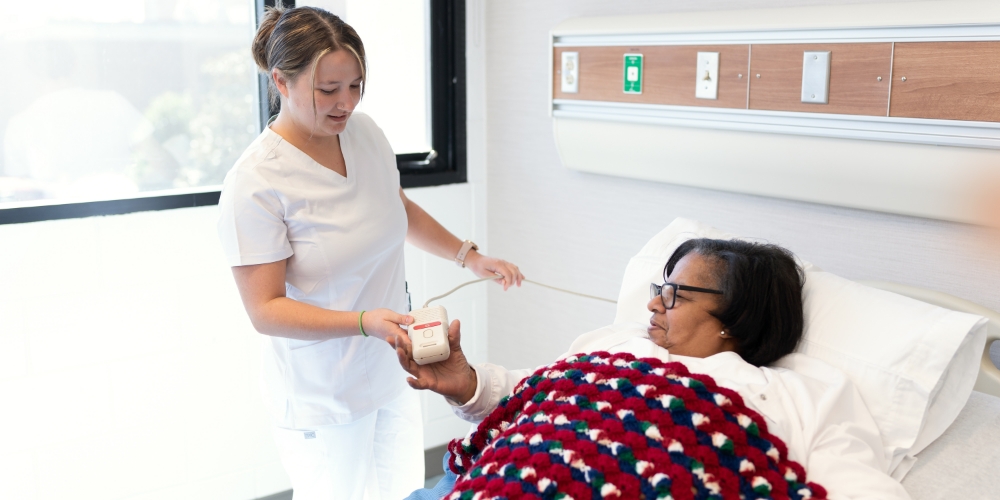
Nurse aides work in hospitals, nursing homes, assisted living facilities, rehabilitation centers, and other care settings, providing direct support to patients throughout the day.
Work Environment:
Nurse aides work in hospitals, nursing homes, assisted living facilities, rehabilitation centers, and other care settings. They spend most of their day providing direct patient care and assisting patients with everyday activities.
Key Responsibilites:
Assist patients with daily activities such as bathing, dressing, eating, and personal hygiene.
Help patients move safely between beds, wheelchairs, and other locations.
Measure and record vital signs, including blood pressure, pulse, and temperature.
Observe patients’ conditions and report changes to nurses or other healthcare providers.
Provide emotional support and compassionate care to patients and their families.
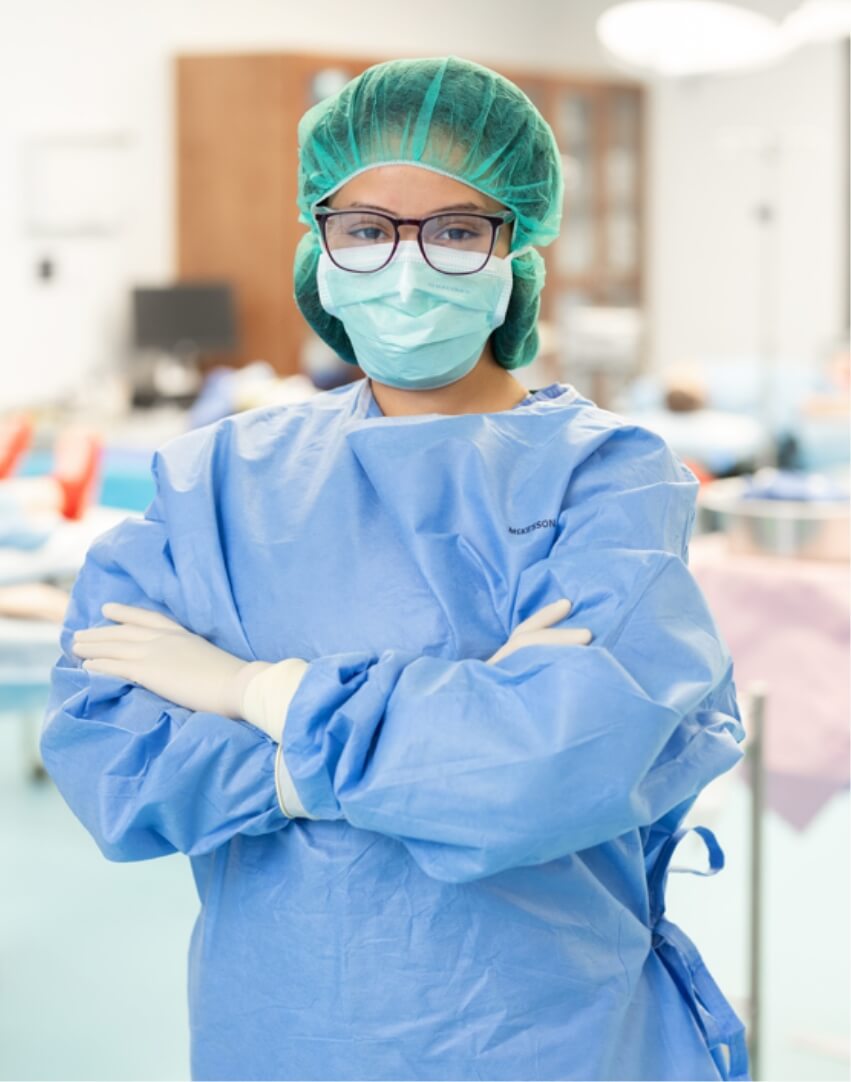
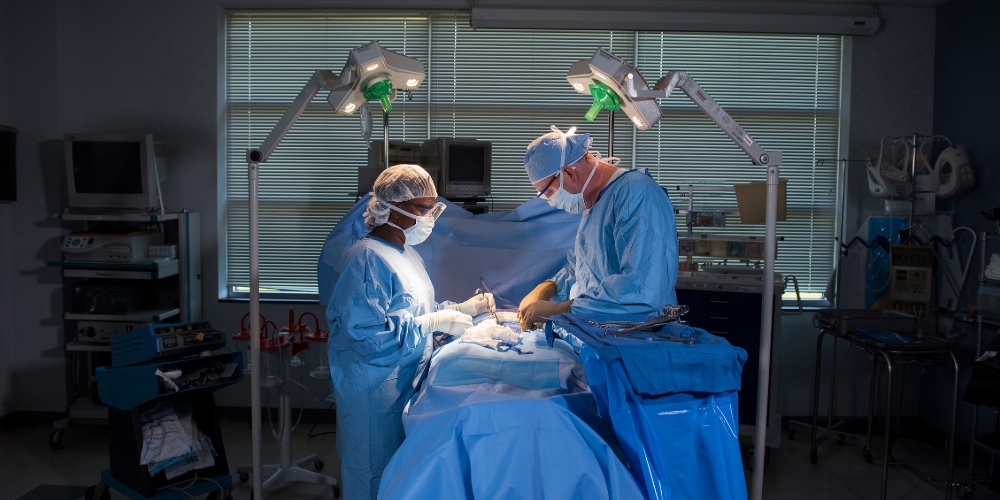
Surgical technologists primarily work in hospital operating rooms, surgical centers, and specialty clinics as part of a fast-paced surgical team.
Work Environment:
Surgical technologists primarily work in hospital operating rooms, surgical centers, and specialty clinics. They are part of a fast-paced surgical team where preparation, precision, and teamwork are essential.
Key Responsibilites:
Prepare operating rooms by sterilizing instruments and setting up surgical equipment.
Ensure all supplies and instruments are available before procedures begin.
Assist surgeons by passing instruments and maintaining a sterile field throughout surgery.
Monitor surgical equipment and anticipate the needs of the surgical team.
Help position patients and prepare them for surgery.